

Most will agree we helped lead the packaging industry into the e-commerce and sustainable markets. We may not have created e-commerce, but we were quick to recognize the potential and customer’s needs.
A few plants were making boxes but not promoting or even admitting the recycled content of their boxes. Others balked when we told them we needed to print boxes outside AND inside as well. I recall one plant manager when asked for two-sided print responded, “we don’t get too many requests for that”. Today, nineteen years later, printing inside and outside on corrugated boxes has pretty much become the standard.
Inside Print Is Invaluable 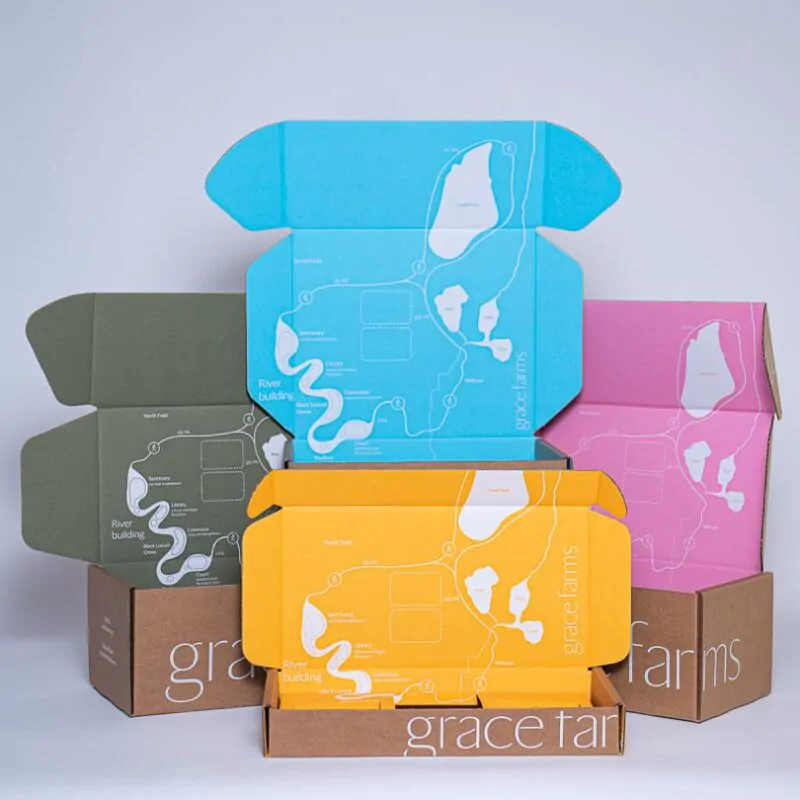
The main problem with anything you print on the exterior of any shipping container is that it arrives at the recipient’s looking dirty and a little beat up. Also, the required FedEx, UPS or USPS shipping label, usually 4” X 6”, detracts from your exterior print or totally covers it. This is a big problem, especially on a small box when much of the top surface is covered by that required labeling.
Any printing on the inside arrives clean, showing off any graphics you may want to print. The interior can be printed any way you want, including a multi-color flexo design, a litho label soft touch interior, or a complex digitally printed design. That interior, especially on a die cut, front lock box has a beautiful panel on the inside lid which is hard to resist from a branding standpoint.
Why Box Makers Often Avoid Printing Inside a Box
The most common reason is that on older equipment, printing inside ends up being a two-step operation. The inside is printed on a press; the printed sheets are accumulated and stacked at the discharge end and returned to the infeed end of the line. The machine is washed out, changed over (print stations and print plates) and the boxes are re-fed through the machine, so the outside can be printed, and the box is die cut from the sheets.
Double Sided Print Equipment Meets Modern Demand
Above explains why printing two sides independently of each other is costly, because that consumes so much valuable time and labor. So being able to simultaneously print both sides reduces cost for everyone.
Without getting into a lot of hardware talk, newer machines with two-sided print capability feature print rollers over and under the substrate board. This not only minimizes operating/printing time, but it also makes alignment and registration easier. Fewer mistakes, fewer rejects and fewer reruns, results in lower cost all around.
Inside Printing on RSC’s Too?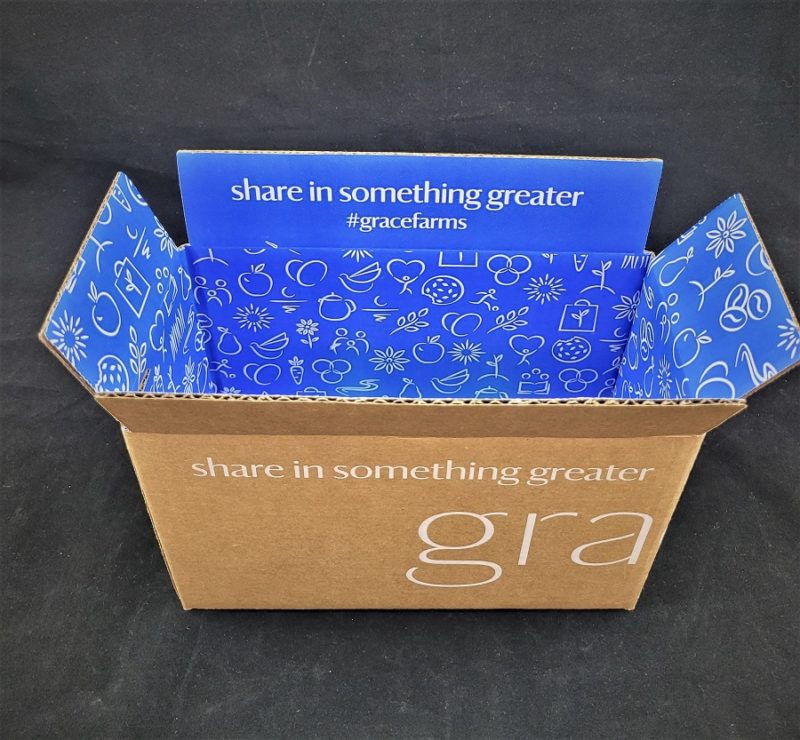
A few years ago, the only way this could be accomplished on an RSC box, was if it was printed in and out in multiple (two) passes, then run through a rotary die cutter. Today there are some standard RSC making slotters, that are able to print both sides. However, a flood coat or edge to edge graphic design may necessitate the use of a rotary die cutter. Your artwork will help us determine which type of printing solution is best for you.
Please check out the die cut and RSC boxes shown in our gallery. We have been printing both sides of any box for quite some time. Equipment technology has served to make it easier and lower in cost. So, knowing which hardware to use when, makes all the difference.
Call us at 630-551-1700 or contact us via this link. We look forward to learning more about your project and application so we can determine how we can help you better promote your brand the way you want it, at the lowest possible cost.
Related posts:
https://www.salazarpackaging.com/which-print-process-is-best-for-you/
https://www.salazarpackaging.com/what-is-semi-custom-e-commerce-packaging/
https://www.salazarpackaging.com/non-plastic-packaging-for-apparel-clothing-brands/
https://www.salazarpackaging.com/cheers-to-19-years-of-packaging-industry-expertise/