

We’ve all been there. Hurray, your ceramic bowl has arrived! But using the shipping box’s “easy-opening” tear-off strip feels like a game of tug-of-war. The enclosed instructions for setting up the returnable shipping box are more complicated than instructions for building an airplane. When the shipping box is finally opened, polystyrene peanuts spill all over the floor, and making matters worse, the box is three times too large for the item it contains. To top it off, when you finally dig through the peanuts you discover your new bowl is a jigsaw puzzle of shattered ceramic chips.
For a DTC business in particular, but for any company whose boxes end up with a consumer, these everyday annoyances (or catastrophes) are sure to undermine its brand, its reputation for quality, and its customer loyalty. Packaging is important. A company can do everything else right, but because of poor packaging quality or design, it falls flat on its face at the finish line.
Our company has built its business working with companies that understand how important shipping boxes and packaging are to the overall success of their business. Perhaps because our own customers have this perspective in common, we are continually amazed by how often packaging goes wrong.
Reasons Companies Fail with Their Packaging
Why does packaging go wrong? How do user-unfriendly boxes make their way into the marketplace? Here are some of the common reasons.
- Unlike other elements of branding, packaging design and procurement are disconnected from the company’s sales and marketing teams.
- Field testing of shipping boxes and packaging are not conducted, or not conducted properly.
- Cost reduction efforts put too much pressure on the purchasing department to cut corners with quality and consistency, with packaging being a (seemingly) easy place to make cuts by replacing good products with inferior ones.
- The marketing department fails to solicit or notice customer feedback on its packaging.
How to Get Packaging Right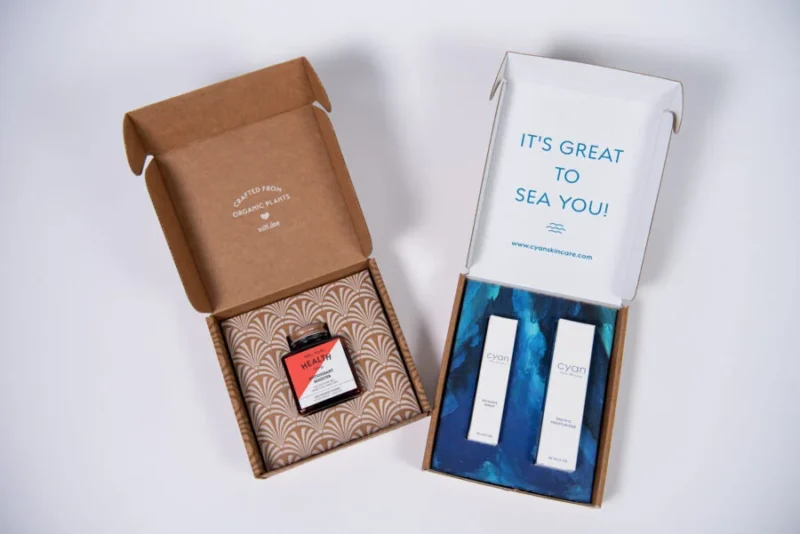
The good news is the problems noted above are easily fixable. There’s no reason why your company can not only eliminate the branding problems of bad packaging, but also turn your packaging into a valuable branding asset and differentiator.
Here are four key ways companies with a customer-driven quality focus give consumers the best possible experience with their shipping boxes and inner packaging.
- Packaging excellence comes from testing packaging on customers. Testing can be done in a focus group setting, or better, by actually shipping items to real customers, and then systematically obtaining thorough feedback. Not only does field testing virtually ensure broad customer acceptance but can also generate ideas from customers that make the packaging even better.
- Packaging excellence comes from consumer-testing with production-run boxes and inner packaging. To illustrate why this is important, let’s return to the tear-off strip feature we mentioned at the top of this post. A hand-made box sample will not tell you how well the tear-off strip will work, or how consistently it will work, when the box is actually manufactured. To really assess the day-in and day-out quality of a new packaging design, a trial order is a critical step.
- Packaging excellence comes from looking at existing or planned packaging automation as well as the packaging itself. For instance, carton erectors save time and labor — but will they treat the boxes with the necessary TLC, or instead mangle a certain percentage of them? Will box sealing equipment put down a consistent and secure seal or compromise the integrity of a certain percentage of the boxes? Automation should enhance quality (machines are more predictable than people) — but great companies monitor their automation for problems all the time.
- Packaging excellence comes from factoring into design changes two important marketing metrics: lifetime customer value and customer acquisition cost.
- It may be tempting to compromise packaging design to reduce material packaging cost. However, if a lesser packaging design results in the loss of a customer, how much money does that represent? Quality-driven companies think this through carefully, especially when repeat sales are important.
- People share packaging horror stories online. This means losing a customer because of a poor packaging experience could result in damaging online reviews that deter prospects from becoming customers. Overcoming negative reviews will have a very substantial and very negative effect on customer acquisition cost.
Let’s Talk!
We help our customers improve packaging design just about 24/7/365 — it’s our passion. If you’d like your packaging to strengthen customer relationships and attract new customers, we need to talk!
Please call us at 630-551-1700 or contact us through the website to start the conversation.
Related posts:
https://www.salazarpackaging.com/10-common-mistakes-dtc-start-ups-make-on-social-media/
https://www.salazarpackaging.com/top-ecommerce-packaging-trends-for-2026-and-lessons-from-2025/
https://www.salazarpackaging.com/the-unboxing-experience-still-matters-in-2025/